Every serious homebuyer is looking for that window when the market tilts in their favor—and in 2026, data highlights September 27 to October 3 as a rare opportunity. During this stretch, buyers nationwide could benefit from the strongest mix of inventory, more flexible pricing, and notably less competition. Active listings are projected to reach 31.9% higher than at the year's outset and 13.3% above the average week, giving buyers welcome options across the country. Even more compelling: listing prices could be 3.5% below their seasonal peak—potentially translating to about $14,000 in savings on a median-priced home of $416,000. Competition is expected to drop 30.1% from its annual high, with homes spending an average of 64 days on the market. For market strategists and buyers alike, this means more time and leverage to make decisions. The trend is clear: as listings continue to grow and demand cools, the early fall market may expand your choices, while late fall could offer even more pricing flexibility. Positioning your move within this window can be a powerful wealth-building play—especially when you have an advocate who understands how to leverage timing for your best outcome.
-
Could Los Angeles Housing Ease in 2027?
Looking ahead to 2027, Los Angeles housing may finally offer some relief for buyers feeling squeezed by high prices and tight affordability. As someone who’s spent over two decades navigating this market and currently serving as President-Elect of Greater Los Angeles REALTORS®, I’m closely watching the subtle shift: while demand still outpaces supply, we’re seeing price growth slow down, providing much-needed breathing room for those eager to enter the market. Elevated borrowing costs have sidelined many households, but a gradual decline in mortgage rates could unlock more opportunities and restore a healthier pace of transactions. If affordability improves—driven by income growth and lower financing costs—we could see a more balanced market emerge, not because prices spike, but because more Angelenos can realistically secure a home. As always, my focus remains on strategic positioning and safeguarding client equity through every market turn.
-
Los Angeles Housing Market: Trends and Forecast 2026
Tracking the Los Angeles housing market is more than just a numbers game—it's about interpreting shifts that can impact both individual wealth and broader investment strategies. California’s median home price recently stood at $887,680, with sales nudging up 1.1%. However, here in Los Angeles County, we've seen the median price dip by 2.6% and sales decline 0.9%, while interest rates holding at 6.54% have put additional pressure on affordability. For those evaluating next moves, this signals a market in transition, not turbulence. As someone who prioritizes strategic asset positioning and protects client equity across changing market cycles, I see signs of stabilization ahead. The key is discipline: understanding how local trends intersect with your goals. Whether you’re contemplating a sale, a purchase, or a long-term hold, informed decisions are built on timely, precise data—and thoughtful guidance.
Continue to full article -
Los Angeles Can Build Homes Without Losing Its Greenest Safety Net
Balancing Growth: Housing Needs and Green Spaces in Los Angeles
As someone deeply engaged in shaping Los Angeles’ real estate landscape, I’m watching the proposal to build 398 homes on a private golf course with particular interest. This project brings up important questions about how we grow: How can we deliver much-needed housing while safeguarding emergency access, fire safety, and our city’s treasured green spaces? Decisions like these require a nuanced approach, weighing infrastructure capacity and water efficiency alongside the urgent demand for more homes. My years in residential real estate have shown that protecting both community safety and environmental resources is essential to responsible development—and to maintaining the long-term value of our neighborhoods.
Continue to full article -
LA Housing Permits Surge Past 8,800 Units in First Half of 2026
Residential construction in Los Angeles is making headlines—over 8,800 new housing permits were issued in the first half of 2026 alone, a figure three times greater than last year. As someone deeply invested in our region’s housing dynamics—serving as 2026 President-Elect of Greater Los Angeles REALTORS® and a Director for both C.A.R. and CABREP—I see the momentum this brings to our community. Yet, even with this surge, housing production continues to lag behind our city’s needs. The strain of rising rents and home prices remains a daily reality for too many Angelenos. Navigating these trends with market precision is essential for both buyers and sellers. My focus is always on protecting equity and positioning assets strategically, especially as affordability challenges grow. Insight and disciplined negotiation are more important than ever in our evolving market.
Continue to full article -
What Smaller U.S. Homes Could Mean for Buyers
Noticing a shift in the American home landscape: over the last decade, the average new single-family home in the U.S. has slimmed down—from 2,700 to 2,400 square feet—while the price per square foot has surged by about 72%. By 2025, one out of every four new homes sold measured under 1,800 sq-ft; a decade ago, it was closer to one in six. Meanwhile, homes 3,000 sq-ft or larger now make up just one in five new builds, down from about one in three. This trend isn’t just about design preferences—builders are responding to significant increases in land, labor, and material costs, all while mortgage rates hover around 6% to 7%. For first-time and budget-conscious buyers, these smaller footprints can translate into more accessible down payments and monthly expenses, though the elevated price per square foot reminds us affordability remains a challenge. As someone who guides clients with strategic market insight and a focus on asset positioning, I see how these shifts reshape both opportunity and approach for buyers navigating today’s market realities.
-
More Homes Hit the Market as Demand Cools
We're seeing a notable shift in the national housing market: for the four weeks ending August 23, new listings in the US climbed by 0.4% week-over-week, and total homes for sale rose by 0.5%—marking the highest inventory levels since early Q2. Meanwhile, pending home sales dipped 1.1% to a six-month low, as elevated housing costs kept many buyers on the sidelines, even as more homes became available.
The median US home-sale price stands just above $400,000, up 1.9% from last year, while average mortgage rates hover near 7%, approaching a 13-month high. What does this mean for buyers and sellers? The combination of rising inventory and softened demand is creating more buyer-friendly conditions—active shoppers now have greater negotiating power for price reductions and concessions in several markets. For sellers, those properties that have been listed for several weeks are often where buyers find the most leverage. Realistic pricing—not chasing the highs of previous years—has proven to be a wise strategy for sellers aiming to attract serious offers.
With more than two decades advising clients through market cycles, I always emphasize disciplined negotiation and precise pricing to protect equity and maximize outcomes. In moments like these, strategic positioning and calm, informed leadership can make all the difference when navigating opportunities or challenges in real estate.
-
Atlanta – Most Expensive Homes of August 2026
Each August brings a fresh look at Atlanta’s luxury market, and 2026 is no exception. Here are the city’s top 15 most expensive listings, led by a remarkable property at $35,000,000 and rounding out with several at the $3 million mark. Every number tells a story about Atlanta’s high-end real estate landscape, from the $7,900,000 estate to the $2,999,000 showcase home.
Having spent over two decades advising clients on strategic pricing and market positioning—across both Georgia and California—I view these listings not just as impressive homes, but as significant assets within a dynamic market. As a market strategist and wealth advocate, I understand how disciplined negotiation and market precision matter especially at this level. Atlanta’s luxury properties continue to set benchmarks, offering insight into both opportunity and value for discerning buyers and sellers alike.
-
Cities Where Dave Ramsey’s 25% Housing Rule Still Works
As someone who has spent over two decades immersed in the real estate markets of California and Georgia, I’ve seen affordability benchmarks put to the test year after year. The classic 25% housing rule—spending no more than a quarter of your income on housing—just doesn’t hold up in 2026 for cities like Los Angeles, San Diego, San Francisco, Seattle, and New York. Even buyers coming in with a solid 20% down payment and locking in a 15-year loan at 5.82% are finding median home prices out of reach compared to local incomes. What does this mean for buyers and sellers? It’s a market that demands strategic thinking: considering longer loan terms, exploring value-add properties, or increasing earning power. My role as a market strategist is to help clients navigate these realities, leveraging disciplined negotiation and positioning expertise to maximize opportunity—especially in the nation’s most competitive markets. When it comes to protecting client equity and finding the right fit, creativity and precision have never been more essential.
Continue to full article -
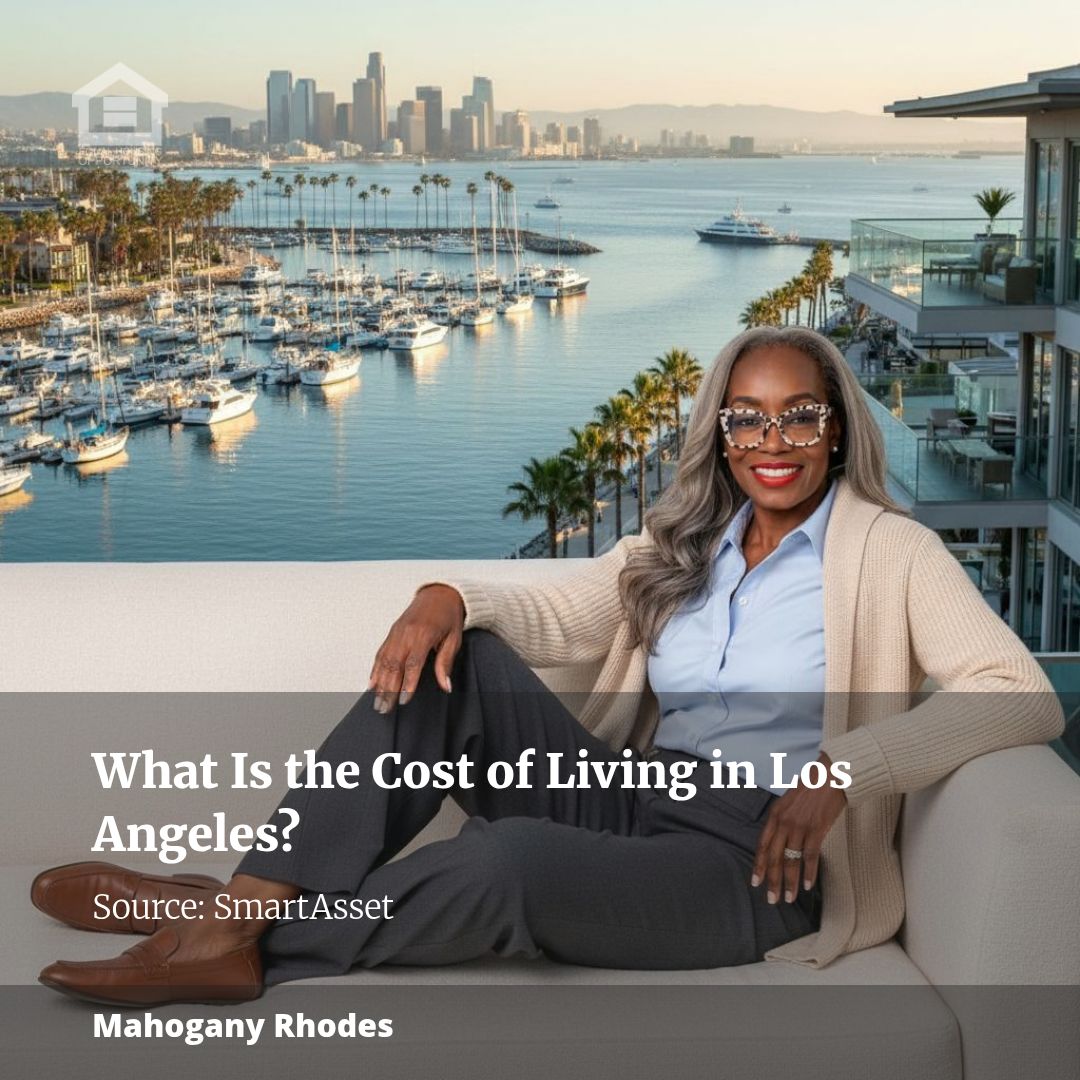
What Is the Cost of Living in Los Angeles?
When considering a move to Los Angeles, one of the most important factors to evaluate is the true cost of living. Our city stands out with housing prices that have climbed more than 200% since 2000, reaching a median of $576,100. Beyond home prices, everyday essentials—rent, utilities, gas, public transit, food, healthcare, and sales tax—all trend above national averages. As someone who has spent over two decades navigating LA’s dynamic real estate landscape, I see firsthand how these factors shape both the lifestyle and the investment strategy for buyers and sellers. Strategic positioning isn’t just about the listing—it’s about understanding the full spectrum of costs and opportunities that come with LA living. In a market defined by complexity, industry-level insight is essential to protect equity and maximize value.
Continue to full article